







 ไทย
ไทยMattress Article
A Supportive Mattress That Provides Excellent Back Support
Choosing a supportive mattress is not easy for many people, especially for those who prefer sleeping positions that require good back support. Quality sleep does not depend only on how soft or firm a mattress is, but also on its ability to support body weight and maintain proper spinal alignment. If you suffer from back problems or are looking for a mattress that can effectively support your back, this article will guide you through everything you need to know about supportive mattresses, along with helpful tips to make your buying decision easier.
What Is a Supportive Mattress?
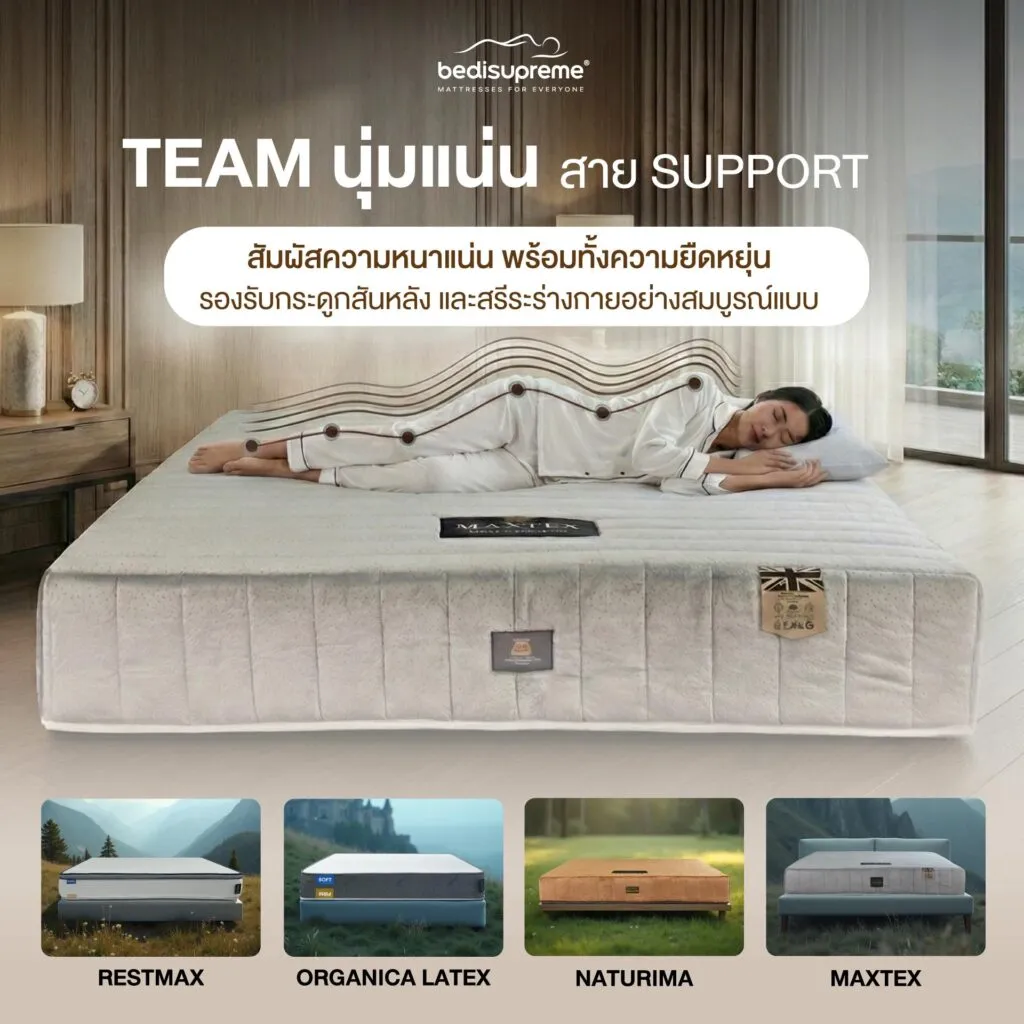
When it comes to quality sleep, many people overlook the importance of a mattress that properly supports the body. This is especially true for those who prefer sleeping on their back or side, as these positions require good support for the lower back and neck. A mattress with proper back support can help reduce mild back pain and morning stiffness.
A supportive mattress is therefore an ideal choice for people who want a mattress that is not too soft, yet not so firm that it feels uncomfortable.
A supportive mattress refers to a mattress that is designed to properly support the body’s weight without causing the spine to bend or twist during sleep. This type of mattress typically has a medium-firm to firm feel, helping to provide adequate support while preventing excessive sinking that could misalign the spine.
In addition, it helps distribute body weight evenly across the mattress surface, which can improve blood circulation and reduce numbness during sleep.
The Difference Between a Supportive Mattress and a Regular Mattress
Regular mattresses often focus mainly on softness and comfort. They may feature thick, soft foam layers or highly flexible springs that create a plush feeling when you lie down. However, they may not provide proper support over the long term, which can cause the spine to curve unnaturally and lead to back pain. In contrast, a supportive mattress has a stronger structure and is designed to properly support body weight while keeping the spine aligned. This helps reduce pressure on the lower back and neck.
Choosing the right mattress should not be based only on softness or price. It is also important to consider how well the mattress supports your back. An unsuitable mattress can negatively affect sleep quality and spinal health in the long term.
A supportive mattress is therefore a great option for people who need proper back support, whether they already experience back problems or simply want to prevent them in the future.
Benefits of a Supportive Mattress You Should Know
Choosing the right mattress not only helps you sleep more comfortably, but also benefits your overall health in the long term. This is especially important for people who experience back or neck problems. Sleeping on an unsuitable mattress can make these issues worse, causing you to wake up with aches, stiffness, or numbness in the body. A back-supportive mattress is therefore an ideal solution for those who want to seriously care for their spinal health, and it also offers many other notable benefits.
● Helps Keep the Spine Properly Aligned
The main advantage of a supportive mattress is its ability to keep the spine properly aligned. When you sleep on a mattress that provides adequate support, your spine remains in a natural straight line from the neck down to the lower back, without bending or twisting.
This helps reduce pressure on the lower back, which is a common problem for people who sleep on mattresses that are too soft. In addition, it can help prevent neck and back pain that may result from sleeping in an improper position.
Having the spine properly aligned also allows the surrounding muscles to fully relax, as they do not need to work harder to maintain the body’s posture during sleep. As a result, you can wake up feeling refreshed and free from fatigue. A supportive mattress is therefore a worthwhile investment for long-term health.
● Reduces Back and Neck Pain
Many people experience back or neck pain after waking up, which is often caused by using an unsuitable mattress. Choosing the right mattress is therefore essential to help reduce these issues. A supportive mattress can help distribute body weight evenly across the mattress surface, preventing any single area from receiving excessive pressure—especially around the hips and shoulders, which typically bear the most pressure during sleep.
In addition, a back-supportive mattress also helps ensure that the neck is properly supported, preventing it from bending or tilting too much—one of the main causes of neck pain. Using the right mattress together with a good pillow can help you sleep more comfortably and wake up without aches or stiffness.
● Improves Sleep Quality
Quality sleep does not only mean sleeping for a long time, but also includes the depth of sleep and allowing the body to rest fully. A supportive mattress helps you sleep more continuously because there are no aches, discomfort, or numbness that might wake you up in the middle of the night.
Having a mattress that properly supports the back can also help you enter deep sleep more easily, which is the stage when the body repairs cells and restores energy.
In addition, good sleep quality also has a positive impact on mental health. It helps reduce stress and improves concentration in work and daily activities. Choosing the right mattress is therefore a worthwhile investment for both physical and mental well-being.
How to Choose the Right Supportive Mattress for Yourself
Buying a mattress is not easy, especially with the wide range of options available on the market. Choosing the right mattress requires considering several factors, such as body weight, sleeping position, and any existing health concerns. A good supportive mattress should meet all of these needs while also maintaining long-term durability, ensuring you get the most value from your investment.
Here are some important tips to help you choose the right supportive mattress.
● Consider the Firmness of the Mattress
Mattress firmness is one of the most important factors when choosing a supportive mattress. These mattresses typically range from medium-firm to extra firm, but this does not mean that a very firm mattress is suitable for everyone.
If you have a heavier body weight, a firmer mattress can provide better support and is less likely to sag. On the other hand, if you have a lighter body weight, a medium-firm mattress that offers a balance of softness and firmness may be more suitable, as it can help distribute pressure more evenly across the body.
In addition, the firmness of a mattress should also depend on your sleeping position. If you prefer sleeping on your side, a mattress with moderate softness can help reduce pressure on the shoulders and hips. However, if you prefer sleeping on your back, a firmer mattress can provide better support for the lower back.
● Choose High-Quality Materials
The materials used in a mattress greatly affect its durability and ability to support the back. A good back-supportive mattress is often made from high-density memory foam or natural latex. These materials are strong and durable, and they can effectively support the user’s body weight and body contours without sagging easily over time. In addition, they help distribute pressure evenly across the mattress surface, allowing you to sleep more comfortably.
High-density memory foam mattresses usually have a longer lifespan and can maintain their shape better than regular foam. Meanwhile, natural latex mattresses offer both high density and excellent elasticity, along with good breathability that helps prevent heat and moisture buildup. Therefore, when choosing a mattress, it is important to consider the materials used in its core structure.
Popular Types of Supportive Mattresses
There are many types of mattresses available on the market today, and each type comes with its own advantages and disadvantages. Understanding the differences between them can help make your purchasing decision easier, especially when you are looking for a supportive mattress that can effectively support and stabilize your back. Below are some of the most popular types of back-supportive mattresses today, along with useful information to help you understand which option may suit your needs best.
● High-Density Memory Foam Mattress
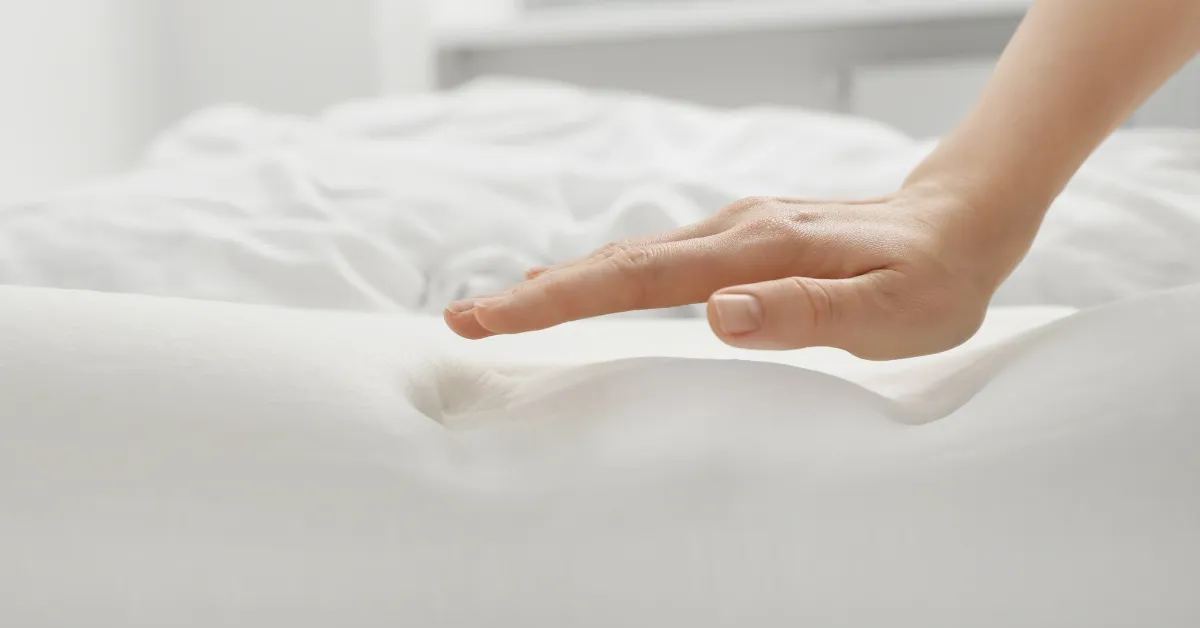
A high-density memory foam mattress is one of the most popular options for a supportive mattress because it can effectively support body weight and provide excellent body support. Originally developed with technology from NASA, memory foam has a denser structure than regular foam while still maintaining high elasticity.
It has the ability to absorb pressure and slowly return to its original shape, allowing it to contour to the natural curves of the body. This helps prevent sagging and allows the mattress to maintain its shape for a longer time. In addition, it distributes pressure evenly across the mattress surface, helping keep the spine aligned and reducing back pain.
One advantage of a high-density memory foam mattress is that it is generally more affordable than some other types of mattresses while still offering excellent durability. It can be used for many years without losing its shape. In addition, some modern innovations incorporate cooling beads into the memory foam, creating Cooling Memory Foam, a material designed to help regulate temperature and provide a cooler sleeping surface more effectively.
- Natural Latex Mattress
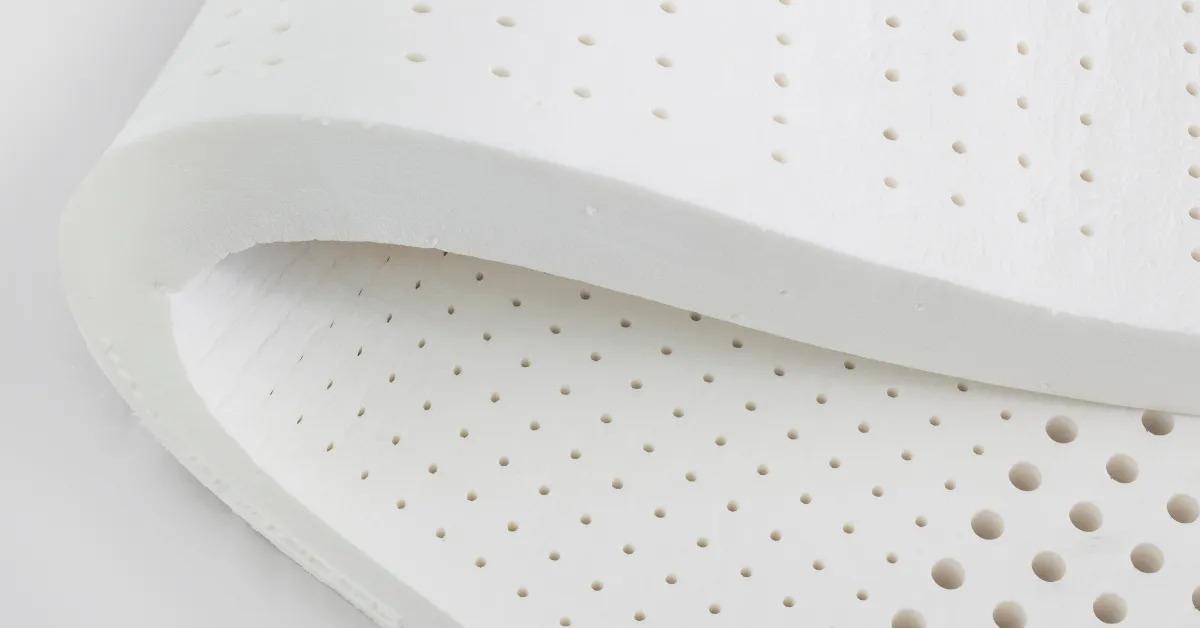
A natural latex mattress is another popular option for those looking for a high-quality supportive mattress. Natural latex has a dense and highly elastic structure, allowing it to support body weight and body contours very effectively while still maintaining a comfortable level of softness. It can also help reduce back pain that may occur from inadequate support. In addition, natural latex has excellent breathability, helping prevent heat and moisture buildup. It also naturally resists bacteria and dust mites, making it a suitable choice for people who are prone to allergies.
One of the main advantages of a natural latex mattress is its durability and long lifespan. With proper care, it can last for several decades. However, natural latex mattresses are generally more expensive than other types of mattresses and tend to be heavier, which can make moving or rotating them more difficult. Nevertheless, if you are looking for a mattress that offers long-term use and excellent back support, a natural latex mattress is a worthwhile investment.
How to Care for a Supportive Mattress
Having a good mattress alone is not enough if it is not properly maintained. A well-cared-for mattress will last longer and continue to provide effective back support over time. Maintaining a supportive mattress is not difficult, but it should be done regularly to keep the mattress in the best possible condition. Choosing the right mattress and caring for it properly will help you get the most value from your investment. Here are some useful tips for maintaining a back-supportive mattress that you should know.
● Rotate the Mattress Regularly
Rotating your mattress is important for extending its lifespan and maintaining effective back support. It is recommended to rotate a supportive mattress every 3–6 months so that wear and compression are distributed more evenly across the surface.
If the mattress has different top and bottom sides, you should rotate it from head to foot instead. Regular rotation helps prevent excessive sagging in one area, which could reduce the mattress’s ability to properly support your back.
In addition, rotating the mattress also helps improve air circulation, reducing moisture that may accumulate inside the mattress and preventing the growth of mold or bacteria. Regular cleaning and rotating of the mattress will help keep it in good condition and extend its lifespan.
● Use a High-Quality Mattress Protector
A mattress protector is another important item that helps protect your mattress from dirt and moisture. Choosing a high-quality mattress protector can help extend the lifespan of a supportive mattress.
In addition, a mattress protector can absorb sweat and moisture from the body, helping prevent dampness and unpleasant odors. It is recommended to choose one that is easy to wash and clean.
In addition, you should change your mattress protector and bed sheets regularly—at least once a week—to reduce the buildup of bacteria and dust mites. Proper mattress care will help ensure a cleaner and safer sleeping environment.
● Clean and Air Out the Mattress Regularly
Regular mattress cleaning helps keep a back-supportive mattress in good condition. It is recommended to use a vacuum cleaner on the mattress surface once a month to remove dust and dust mites that may accumulate. In addition, you should open windows or use a fan to improve air circulation in the bedroom. This helps reduce moisture in the mattress and prevents the growth of mold.
If the mattress becomes stained or dirty, it should be cleaned immediately by gently wiping it with a cloth dampened with warm water mixed with a mild detergent, then allowing it to air dry naturally. Regular care and maintenance will help keep your supportive mattress in good condition and allow it to last for many years.
Frequently Asked Questions About Supportive Mattresses
When it comes to choosing a supportive mattress, many people often have questions and concerns about suitability, price, and usage. Understanding these aspects can help you make a more confident decision and choose a mattress that truly meets your needs.
- Who Is a Supportive Mattress Suitable For?
A supportive mattress is suitable for people who have back or neck problems, especially those who experience chronic back pain or lower back pain. It is also ideal for individuals with higher body weight who need a mattress that can properly support their weight.
In addition, it is a good choice for people who prefer sleeping on their back and require proper back support. A supportive mattress is also beneficial for those who want to prevent back problems in the future, as it helps maintain proper spinal alignment.
However, if you prefer a very soft mattress or have a lighter body weight, a supportive mattress may not be the best choice for you, as it may feel too firm. Therefore, choosing the right mattress should always be based on your personal preferences and physical needs.
What Is the Price Range of a Supportive Mattress?
The price of a supportive mattress depends on the type of materials used and the brand. High-density memory foam mattresses usually have a more affordable starting price and are easier to access for many buyers. In contrast, natural latex mattresses tend to be more expensive, but they offer greater durability and higher overall quality. However, the final price may also depend on other materials used in the mattress construction to enhance its performance. Investing in a high-quality mattress is a worthwhile long-term investment, as it helps support spinal health and allows you to enjoy better sleep quality.
How Long Does It Take to Get Used to a New Mattress?
Switching to a new mattress may feel unfamiliar at first, especially if you previously slept on a very soft mattress. Generally, it takes about 2–4 weeks to get used to a supportive mattress. During this period, your body gradually adjusts to the improved back support and the new sleeping posture.
Choosing the right mattress and giving your body time to adjust will help you gain the full benefits of a supportive mattress and enjoy better sleep quality in the long term.
A supportive mattress is an excellent choice for those who want to take care of their spinal health while enjoying high-quality sleep. With its ability to properly support body weight and maintain proper back alignment, a supportive mattress can help reduce back and neck pain, improve sleep quality, and even help prevent future health problems.
Choosing the right back-supportive mattress requires considering several factors, including firmness level, materials used, and trying the mattress before making a purchase. In addition, proper care and maintenance can extend the mattress’s lifespan and help it maintain its supportive performance over time.
Investing in a high-quality mattress is ultimately an investment in your long-term health and quality of life. Choose a supportive mattress that suits your needs and start enjoying better sleep from today.